Skip to main content
Search
MEMBERS INFO
Search
Home
About EA
History
What We Do
National Committees
State Branches
Policies and Bylaws
National Board
Annual Reports
Hall of Fame
Our Partners
Contact
Positions Vacant
Get Involved
Membership
Clubs
Insurance
EA Member Portal Status
IT System 'How to' Guides
Online Shop
Forms and Documents
Sports
Health & Safety
Report an Incident
News
Training & Resources
Risk Management
Athlete & Equine Welfare
Helmet Standards and Tagging
Insurance
HP
What is High Performance?
HP Strategic Plan
Athlete Categorisation
National Squads
Talent ID Squads
Competing at FEI Level
Athlete Information
Selection Policies
Team support staff
Team Vets
Selectors
Records
Paris 2024
Integrity
National Integrity Framework
Report a Concern
Education & Resources
Medication Control
News
Events
Event Calendar
Info for Event Organisers
Medication Control
Education
Search
Toggle navigation
MENU
Home
About EA
What We Do
National Board
National Committees
State Branches
Integrity
Policies & Bylaws
Our Partners
Annual Reports
Honorary Life Members
Hall of Fame
Contact
Positions Vacant
Get Involved
Membership
Clubs
Insurance
IT System 'How to' Guides
Online Shop
Forms & Documents
Competing at FEI Level
Sports
Dressage
Eventing
Jumping
Para-Equestrian
Driving
Vaulting
Endurance
Show Horse
National Sport Rules
Clean Sport
Health & Safety
News
Training & Resources
Risk Management
Athlete & Equine Welfare
Donate
Insurance
HP
What is High Performance?
National Squads
Talent ID Squads
Athlete Categorisation
Competing FEI Level
Athlete Information
Selection Policies
Team Support Staff
Records
International Results
Paris 2024
News
Events
Education
I am a Coach
I am an Official
FEI Campus
Find a Coach
Integrity
National Integrity Framework
Report a Concern
Medication Control
Education and Resources
Search
Home
About EA
What We Do
National Board
National Committees
State Branches
Integrity
Policies & Bylaws
Our Partners
Annual Reports
Honorary Life Members
Hall of Fame
Contact
Positions Vacant
Get Involved
Membership
Clubs
Insurance
IT System 'How to' Guides
Online Shop
Forms & Documents
Competing at FEI Level
Sports
Dressage
Eventing
Jumping
Para-Equestrian
Driving
Vaulting
Endurance
Show Horse
National Sport Rules
Clean Sport
Health & Safety
News
Training & Resources
Risk Management
Athlete & Equine Welfare
Donate
Insurance
HP
What is High Performance?
National Squads
Talent ID Squads
Athlete Categorisation
Competing FEI Level
Athlete Information
Selection Policies
Team Support Staff
Records
International Results
Paris 2024
News
Events
Education
I am a Coach
I am an Official
FEI Campus
Find a Coach
Integrity
National Integrity Framework
Report a Concern
Medication Control
Education and Resources
Search
CLICK HERE ►
ACCESS FORM 08 ►
HPP and AET Portal
Discover our dedicated portal for the EA High Performance Program and Australian Equestrian Team
DISCOVER
EVENTS
14
DAYS TO GO
QLD Jumping Festival
27th June 2026
PARTNERS
Facebook
Twitter
Featured Video
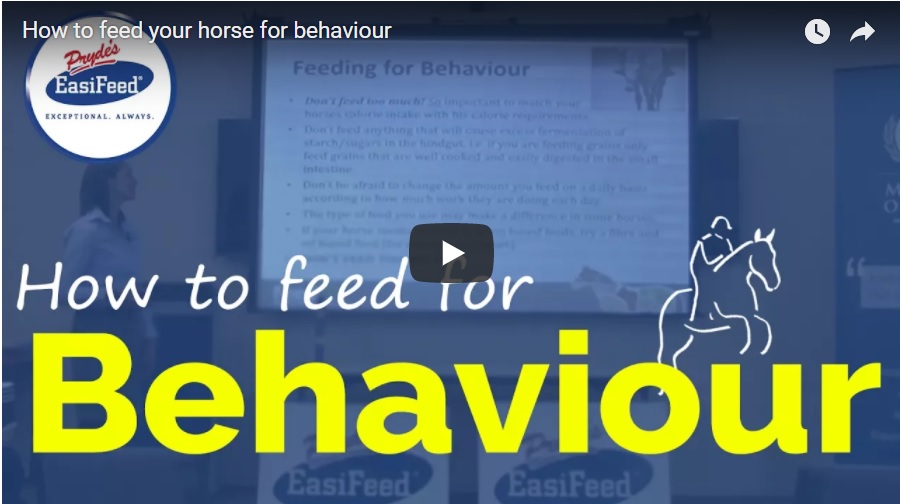
How to feed your horse for behaviour?
Newsletter
Subscribe to EA's newsletter for the latest news, events and updates.
Visit Page
Follow Us
Watch
Subscribe
Access
STATES AND TERRITORIES
STATE BRANCHES
Toggle navigation
Olympic disciplines
Dressage
Eventing
Jumping
Para Equestrian
FEI disciplines
Driving
Vaulting
Endurance
National disciplines
Show Horse
Interschool
National Sport rules
Clean Sport
GENERAL
Safety
Dressage
Eventing
Jumping
Para-Equestrian
Driving
Vaulting
Show Horse
Interschool
Endurance
Education
High Performance
Brooke Dougall and Lamoza Velisha Selected for FEI Eventing U25 World Championship
12/06/2026
Australian Para Dressage Riders Shine in FEI World Rankings
10/06/2026
2026 King's Birthday Honours
09/06/2026
Future Stars and Former Racing Champion Headline 4CYTE™ Melbourne International 3 Day Event
06/06/2026
I AM A COACH
Coaches getting started
Course Calendar
Find a Coach
Skill Recognition
Resources
FAQ
News
FEI Campus
I AM AN OFFICIAL
All Resources & info
Officials getting started
Course Calendar
Find an Official
Measuring Information
Official's Insight
FEI Campus







 Newsletter