

Australian Veterinarians Play Key Roles at FEI World Cup Finals
Two Australian veterinary professionals have taken centre stage at the FEI World Cup Finals, bringing their expertise to one of equestrian sport's most prestigious events.
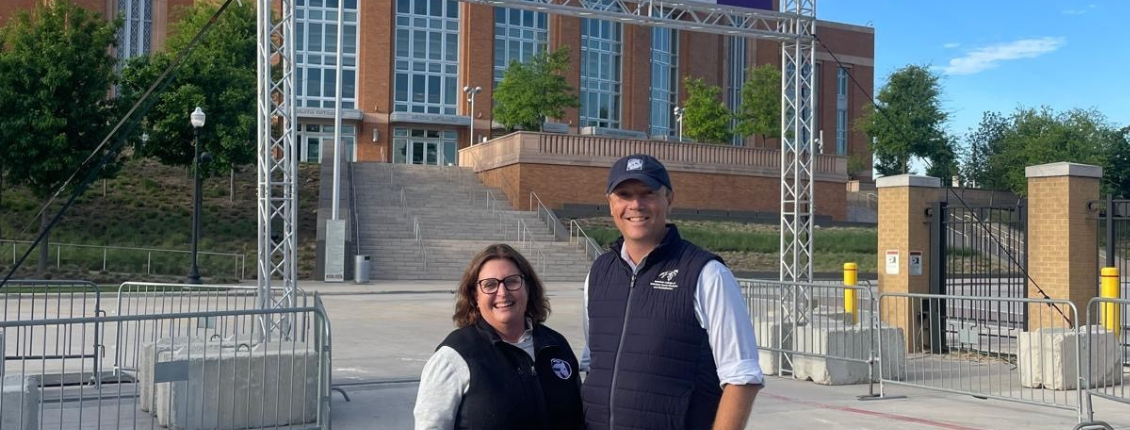
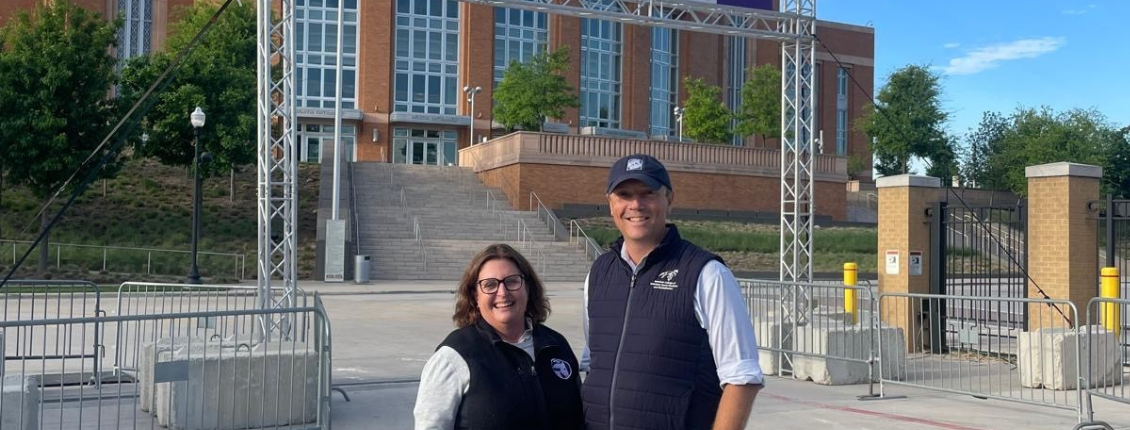
Dr Kirsten Neil served as Foreign Veterinary Delegate, leading the FEI Veterinary Commission. Her responsibilities centred on arrival examinations and horse inspections, working alongside the president of the ground jury to determine which treatments are permitted — with horse welfare and competitive fairness guiding every decision.
Dr Christopher Elliott filled the role of Veterinary Services Manager, acting as the critical link between treating veterinarians, national federation team vets, USDA government veterinarians, the FEI Veterinary Director in Lausanne, and the Chair of the FEI Veterinary Commission. "I'm the middle person who coordinates and communicates among all parties," Dr Elliott explained. "At these big championships, you have a lot of veterinarians because everything has to go well, and we all have our different roles."
One of the most complex logistical challenges of the event was managing the strict biosecurity quarantine required for horses travelling from Europe — a so-called "bubble to bubble" protocol designed to allow horses to fly in, compete, and return home without requiring quarantine on either end of the journey.
All horses arriving from Europe underwent a 42-hour quarantine under government veterinary supervision. While this is typically handled at permanent, dedicated equine facilities, the World Cup Finals required a temporary quarantine protocol to be established on-site within the international stables — a significant undertaking requiring extensive planning.
During the quarantine period, six USDA veterinarians were on-site alongside two treating veterinarians and three FEI veterinary delegates. Horses received twice-daily temperature checks and veterinary examinations, blood sampling, and mandatory tick treatment. Only once all blood results returned negative were the European horses released from strict quarantine — though they continued to be kept separate from domestic horses for the remainder of the event, with distinct barns, training times, and exercise areas.
In total, four distinct veterinary groups operated at the event: the FEI Veterinary Commission overseeing welfare and rule compliance; government vets enforcing biosecurity protocols; a treating veterinary team; and national federation team veterinarians supporting their respective riders, including those from US dressage and US jumping teams.



 Newsletter