

Health Safety and Welfare Update April 2026
Jumping - Health Safety and Welfare related initiatives
Over the past 18 months there have been Jumping rule changes and other initiatives related to Health, Safety and Welfare. EA is running webinars in each State over the next 4 weeks aimed at Jumping Officials, Clubs and Event Organisers to explain the changes (and answer implementation questions) as they relate to:-
- Data Collection and Reporting
- Horse Welfare
- Minimum Medical Requirements for Competition
The first webinar was run in mid-April in Tasmania and we look forward to meeting clubs and officials in other States soon-if you have questions in the meantime please contact [email protected]
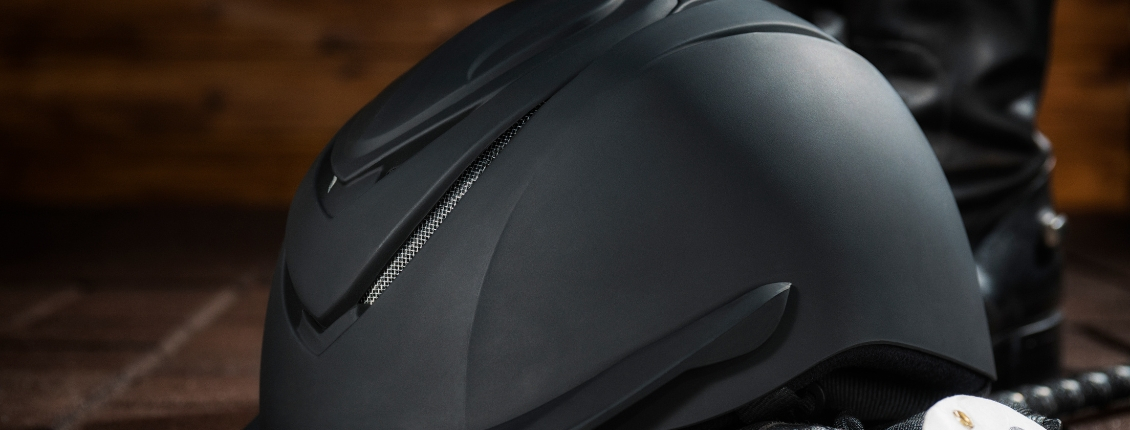
Helmet Standards - A reminder
As part of the progressive change to Helmet Standards riders should note that Australian AS/NZ 3838 (2006) will no longer be an accepted standard in competition from 31 Dec 2026 and American ASTM F1163:2015 and CE Mark products Referencing VG1 & EN1384:2017 will no longer be an accepted standard in competition on their own after 31 Dec 2026.
For full details refer to the EA Helmet standards guide on the website HERE.
Green Helmet Tags are now available in all states and any helmets complying with the 1 January 2029 Onwards EA accepted standards can be tagged green and used in competition immediately.
For questions- please contact [email protected] or your State office
How Does Cheese relate to Safety ?
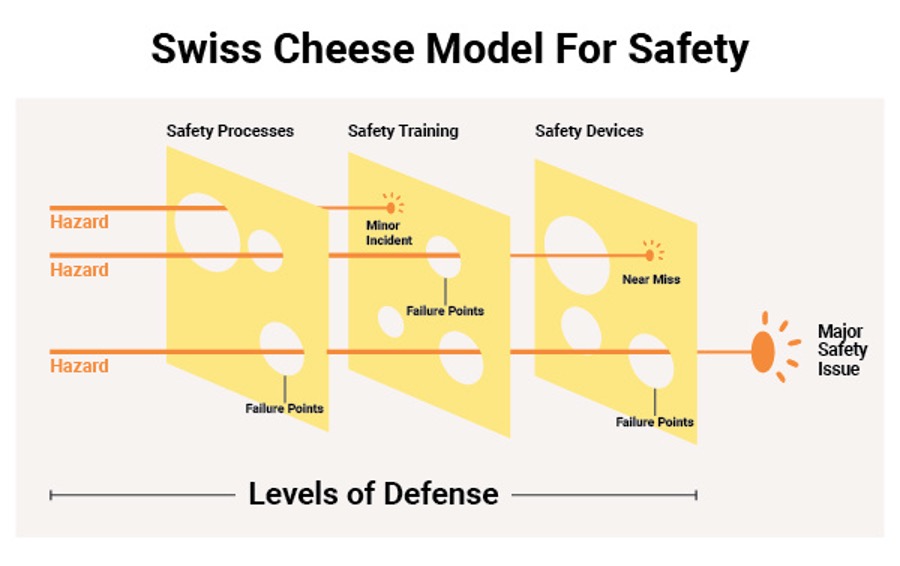
Used here for the purpose of illustration rather than rigorous application of the model; the “Swiss Cheese Model” of accident causation likens the process and procedures we put in place to reduce the chance of an accident happening to layers of Swiss Cheese. The size of the holes represents each layer’s effectiveness (or lack thereof) in preventing an incident. The larger the holes the greater the chance of lining up and allowing incidents to happen-the same logic applies to the effectiveness of mitigation processes.
In an equestrian context the rules around experience levels of horse and rider, safety of competition surfaces and tack as well as types and dimensions of fences for jumping phases make up the slices aimed at preventing an incident; helmet standards and medical and veterinary support at competitions are examples of slices aimed at mitigation of the outcome of an incident.
We can all play our part in enhancing safety by following the rules and guidelines relating to the way in which we prepare for and undertake work with our horses and by not allowing “Normalised Deviance” -a process of gradually accepting a lesser standard – to become the way we do things around here.
The Heath Safety and Welfare Team


 Newsletter